Introduction
In recent years, the popularity of smokeless tobacco products like snus has surged, particularly among individuals who seek alternatives to traditional smoking. However, with this rise in usage comes a multitude of questions regarding the legality and safety of such products. Is Snus Illegal? Navigating the Laws not only explores the legal landscape surrounding snus but also delves into its health implications, usage guidelines, and how it compares to other nicotine alternatives like vaping and nicotine pouches.
Snus is often seen as a less harmful option than smoking, leading many to wonder about its legality in various countries. In this article, we'll address these concerns while providing comprehensive information on snus—what it is, how it's used, and its legal status across different regions.
What is Snus?
To understand whether snus is illegal, we first need to clarify what snus actually is. Snus is a moist powdered tobacco product originating from Sweden. Unlike traditional chewing tobacco or snuff, which require spitting out excess saliva, snus can be consumed discreetly without generating any mess.
Characteristics of Snus
- Moisture Content: Snus typically contains more moisture than dry tobacco products. Flavoring Agents: Many brands add flavoring agents such as mint or fruit flavors to enhance the user's experience. Pouch Format: Snus often comes in small pouches that users place between their gum and lip for several hours.
How Does Snus Work?
When users place a pouch of snus in their mouth, nicotine is absorbed through the oral mucosa into the bloodstream. This process provides a rapid effect similar to smoking but without the inhalation of smoke.
Is Snus Bad for You?
While many view snus as a safer alternative to smoking due to its reduced levels of harmful chemicals compared to combustible tobacco products, health experts still caution against its use. Research indicates that while it may have lower risks than smoking cigarettes, long-term use can still lead to health issues like gum disease and potential links to cancer.
Is Snuff Different from Snus?
Another term often mentioned alongside snus is "snuff." While both are forms of smokeless tobacco, they differ significantly in terms of texture and usage methods.
Key Differences
| Feature | Snus | Snuff | |---------|------|-------| | Moisture | Moist | Dry | | Usage | Placed between lip and gum | Inhaled or sniffed | | Origin | Scandinavian roots | Global |
Many people wonder if one is safer than the other; generally speaking, both carry health risks associated with tobacco consumption.
Are Nicotine Pouches Safe?
As alternatives to traditional tobacco products like snus and chewing tobacco emerge in the market—such as nicotine pouches—users often ask whether these options are safe.
Understanding Nicotine Pouches
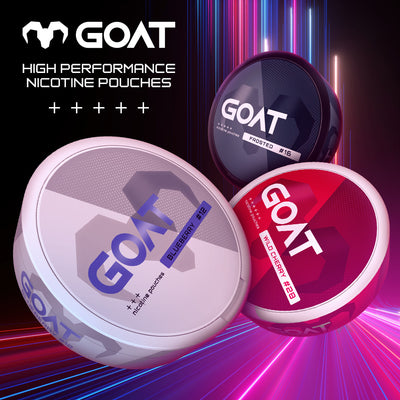
Nicotine pouches are similar in appearance to snus but do not contain any tobacco leaf. They deliver nicotine through oral absorption without involving combusted materials or traditional tobacco components.
Health Considerations
While nicotine pouches are marketed as potentially safer alternatives due to their lack of tobacco content, they still pose risks associated with nicotine dependency. The long-term health effects are yet to be fully understood given their relatively recent emergence on the market.
Is Snus Illegal? Navigating the Laws by Country
The legal status of snus varies dramatically worldwide. Below is a breakdown of different countries’ regulations concerning snus:
1. Sweden: The Home of Snus
Sweden has historically been known for its liberal approach towards snus consumption. As part of EU law exemptions for Sweden:
- It remains legal for sale and consumption. Users enjoy unrestricted access across most public venues.
2. United States
In the U.S., regulations differ by state:
- Some states allow sales with minimal restrictions. Others impose age limits (typically 21+) on purchases.
3. European Union
Snus is banned in EU countries except Sweden; however:
- Other forms of smokeless tobacco remain legal under strict regulations.
4. Canada
The sale and distribution of both snuff and snus are illegal across Canada:
- Exceptions exist only for medicinal purposes under specific conditions.
5. Australia
Snus faces outright prohibition; only certain types of smokeless products may be available under strict controls.
How Long Does Snus Last?
Users often inquire about the longevity and effectiveness of a single pouch:
- Generally, a pouch can last anywhere from 30 minutes up to an hour depending on personal preferences.
It's worth noting that prolonged use might lead to increased absorption rates resulting in heightened effects or side effects like nausea if misused.
Can You Reuse Snus?
A common question among users revolves around whether they can reuse a pouch after initial usage:
- Generally advised against due to hygiene concerns and potential loss of flavor/nicotine delivery efficiency.
Using fresh pouches ensures optimal flavor profiles while maintaining health standards related to oral hygiene.
Can You Take Snus on a Plane? Navigating Airport Regulations
Travelers frequently ask if they can take their favorite smokeless product aboard flights:
- Generally permitted within personal luggage but regulations vary by airline.
It’s advisable always to check with your specific airline before traveling as policies may change frequently due to security updates or local laws affecting customs clearance regarding tobacco products!
FAQs
FAQ 1: What happens if you swallow snus?
If swallowed accidentally, it's usually not life-threatening but could cause stomach discomfort or digestive issues due to nicotine absorption occurring rapidly via different pathways when ingested rather than absorbed through mucosal membranes.
FAQ 2: How old do you have to be to buy snus?
In most jurisdictions where it’s legal (like Sweden), you must be at least 18 years old; however laws vary significantly worldwide including stricter rules within certain U.S states requiring buyers aged 21+!
FAQ 3: Is using snus better than vaping?
Comparatively speaking—while both present risks associated with nicotine consumption—snustypically delivers fewer harmful chemicals compared to combustible cigarettes but lacks clarity on long-term impacts relative specifically against vaping alternatives which also continue evolving rapidly!
FAQ 4: Does using snuss affect athletic performance?
Research suggests that frequent use may impact cardiovascular endurance negatively despite some athletes using them seemingly without immediate adverse effects; hence moderation remains key!
FAQ 5: Can I buy online legally?
Depending upon your location purchasing online may be allowed subject certain conditions being met; however specific laws governing shipping/tax require careful navigation!
FAQ 6: Can dentists tell if you use it?
Yes! swedish snus brands Dentists can identify signs indicating smokeless product use through examination revealing gum recession/discoloration indicative habits snus world linked toward regular usage patterns over time.
Conclusion
The complexities surrounding whether “ Is Snus Illegal? Navigating the Laws” ultimately boil down significantly based upon your geographical location along with current legislative frameworks guiding usage & sales practices implemented by respective governments globally! Whether viewed through lenses focusing solely upon legality versus health implications surrounding usage—the conversation continues evolving rapidly given emerging trends related toward nicotine-based alternatives gaining traction! Always stay informed about local laws/rules affecting your choices while considering safer alternatives available today!